
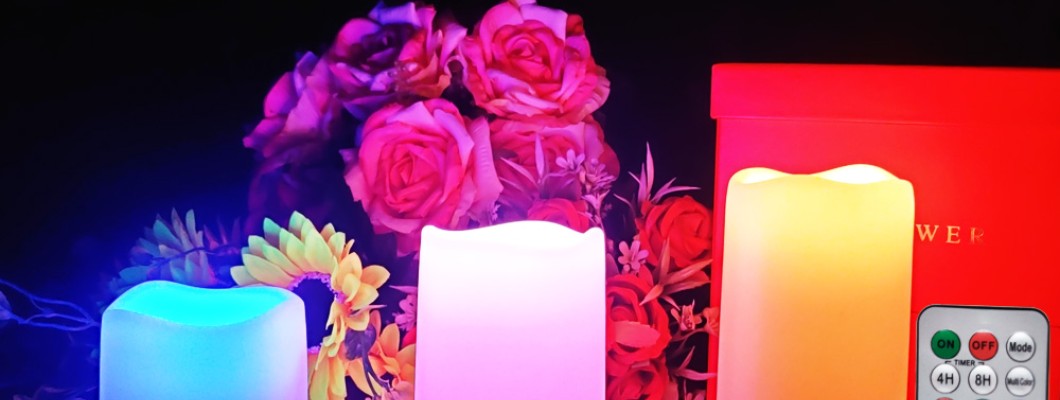
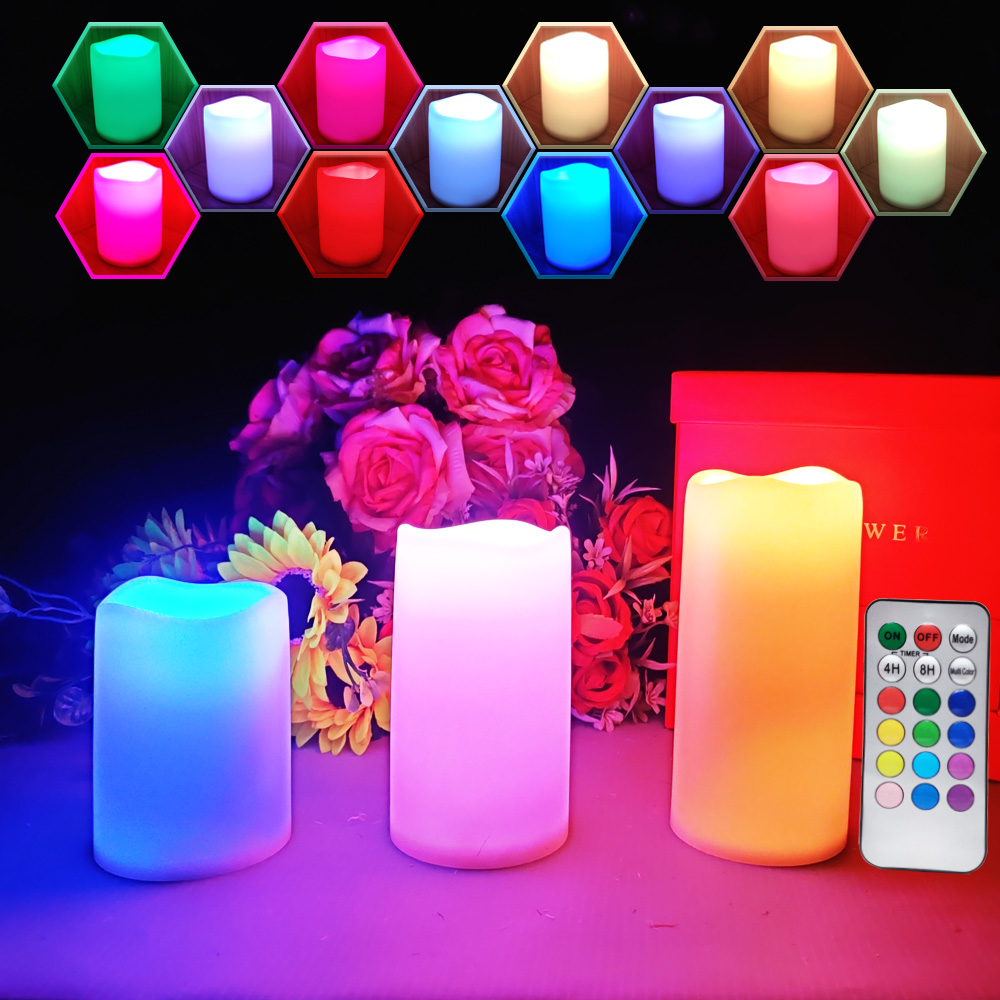
I've watched enough outdoor weddings to know exactly where they die. Not at the vow exchange, not at the first dance - at the moment the videographer pans across the reception floor and 40 out of 100 candles are out, gutted, or actively melting wax into $90/table linen.
The industry sells real flame as the romantic choice and LED as the compromise. That framing is backwards. At an outdoor wedding, a real flame is a risk product you are paying extra to insure. The LED is the base specification. This is how I decide what goes in the ground.
What real flame actually buys you (and what it costs)
Strip away the nostalgia and a real candle does exactly two things: it gives off scent, and it gives off heat. Neither of those has any function at an outdoor wedding. The wind moves the scent before it reaches anyone, and nobody wants a 20cm radius of 40°C air at their elbow during a 6-hour sitting.
Now the numbers. A paraffin pillar that survives an evening of burning costs $8-15. A 100-guest layout at the standard 3 candles per table plus centerpieces is 300+ units - $2,400 to $4,500 for a single night of combustion, after which the wax is gone. A flicker-mode LED pillar that looks identical in the photos lasts 30-60 hours on the batteries you buy once and reuse.
Then there's the physics nobody puts in the brief. A standard flame is stable to roughly 3 mph of wind, gutters and soots between 5-10 mph, and is a coin-flip beyond that. A "calm" coastal or hillside venue averages 5-15 mph through the evening. You are not choosing candlelight at an outdoor wedding. You are choosing how many candles the wind gets, and paying a fire marshal's fee to find out.
Wax is a separate crime. Melted paraffin at 50-60°C will bond into any linen with a synthetic finish, and your guest of honor will find the stain in the photo proofs a year later. Venues that allow open flame on table linen in the first place are the ones you should be most suspicious of, because their insurance is not the one paying.
What an LED candle has to do to pass
Most of them don't. Four specs separate a candle you can use in the aisle from one you can throw in the bin:
- Flicker algorithm. The cheap unit cycles on a hard 3-second blink. Your photographer will catch it in the video. The one you want has a random-pattern flicker that sits at 1800-2200K - inside the actual color-temperature band of a real wick flame. Above 2500K it starts reading as a lamp, and the whole "warmth" argument dies.
- Rated runtime vs. real runtime. "15,000 hours" on the box refers to the LED chip. The battery is what you're buying. On 2-3 AA cells, a good flicker model does 30-60 real hours. A 6-hour reception plus 3 hours of setup and rehearsal fits in that with a margin. The one that fails is the unit that runs on a single coin cell that dies at hour 4.
- Ingress rating. IP44 is the floor for anything touching the ground outdoors. Note that rain doesn't kill the LED - it kills the contact points. Water in the battery compartment is the actual failure mode, and a unit with a sealed top lid is the one that survives the first rain shower.
- A dimmer or touch control. You want to be able to dial the whole floor to 50% the moment the reception starts and the overheads come on. A hard on/off unit that runs at full 2200K all night will overpower your own string lights and flatten the look.
If a vendor can't tell you the flicker type, the color temperature, and the battery configuration of the candle they're quoting, they are not specifying lighting - they are quoting a product off a shelf. Ask, and let their hesitation be the data point.
The layout that actually works
Per table: three tea lights in a triangle, one pillar in the center, nothing else at table height. Aisle and ceremony: pillar candles or closed lanterns every 2-3 meters, tops at 60cm or higher so they clear the florals and read from the aisle's full length. Head table: the one place a real flame in a glass lantern is defensible, because the flame is enclosed and nothing flammable is within reach of it.
Two details that separate a floor that looks lit from one that looks cluttered. First, do not power a long aisle run from a single USB strip - the phase drift between units becomes visible once they're in the frame. Independent battery per unit. Second, switch everything on during setup and don't touch it. The units that die mid-reception are the ones someone fiddled with, not the ones that ran out of battery - a 40-hour unit does not run out in a 9-hour event. It dies because someone opened the top in the rain.
When real flame still makes sense
One scenario, and it's a narrow one: an indoor reception, no wind exposure, venue insurance that explicitly covers open flame on linen, and a guest list that includes people who will specifically ask "are those real?" and be unhappy to learn they aren't. In that case, real flame at the tables is a legitimate choice and the wax-stain risk is lower - but you still cap it at 2-3 per table, keep it away from the florals, and you still do not trust a venue that lets you put a 4-inch flame on a tulle table runner without a signed waiver.
Outdoors, that scenario doesn't exist. The wind exists.
Bottom line
You don't choose between "real" and "fake" candles at an outdoor wedding. You choose between a risk product that will cost you $3,000+ and a blown-out candle in the first dance video, and a base-specification lighting element that holds a 2200K flicker through a full rain event. The photos are the same. The invoice and the liability are not.
If you want the units I'd actually put in the ground - the ones with the flicker algorithm that survives a 5-meter photo and an IP rating that survives a September shower - they're in the LED candle range, and the aisle stringing to run behind them is further down in the lighting section. Both are specified for the ground, not the shelf.
Leave a Comment